

Public Service, Hard Work and Enterprise
March 9, 2026
Watching My Daughters Build Their Own Businesses
March 23, 2026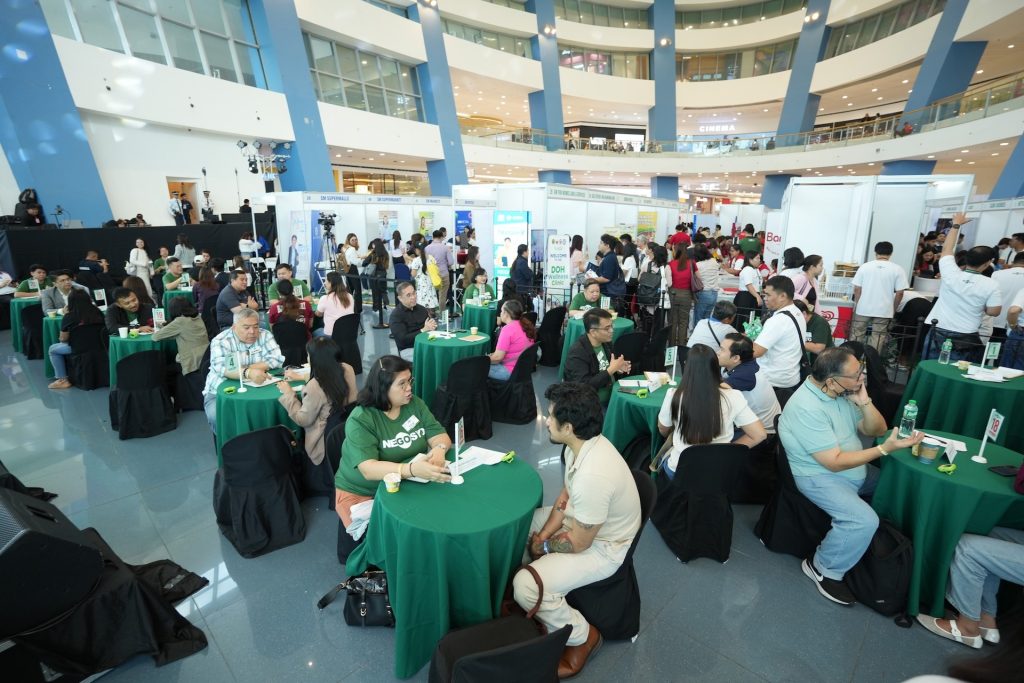
Time for ‘Trabaho at Negosyo’
March 16, 2026
The world is changing. You can feel it in how traffic on the streets of the city seems to have magically eased. The anticipation that something terrible is about to happen is palpable. It’s been happening the past week since the escalation of the conflict in the Middle East (this time between Iran, Israel and the US). And this just as the Philippines suffered the worst embarrassment brought on by the scandal of massive corruption involving government agencies, legislators and private contractors. It’s enough to make you weep.
But we soldier on. This week I leave for Europe to invite foreign government and business leaders to come and support ASEAN 2026. It’s a tough errand, I admit. Everywhere, countries are turning inward to find solutions to what looks like the worst energy crisis since the 1970s.
Those of us who lived through difficult times – the oil crisis, the Asian financial crisis, the blackouts of the ’90s and even COVID – already had practice, but that doesn’t mean we look forward to going through that again. Our grandparents, who lived through the horrors of World War 2, do not wish for war to happen again. They learned to be frugal, and they learned to survive.
They say that when elephants fight, it is the grass that suffers. I would rather think that while the elephants fight, the ants should just hurry up and go about their business. I find it funny that I said this exactly a year ago when massive tariffs were announced by the US, and the world scrambled to mitigate the effects.
This time, though, I think the timing is just right to advocate for jobs and enterprise or as we call it, Trabaho at Negosyo. These are two sides of the same coin: enterprises create jobs, and jobs create entrepreneurs. When we upskill and upscale both, we create opportunities for people to start and grow businesses.
I think it is important that we call it Trabaho AT Negosyo (Jobs AND Enterprise) because it doesn’t have to be a choice between growing one or the other, or choosing to become one or the other. Especially these days, as people find ways to cope with potentially higher prices for almost everything.
First off, I always tell aspiring entrepreneurs (especially couples) not to quit their jobs when they start their businesses. There is always a risk, and smart entrepreneurs know how to balance that risk. If you’re a couple, one of you needs a steady source of income to cover things like health care, food, rent and all the basics. Otherwise, you may find yourself panicking if the business doesn’t deliver right away and leaves you tapping into your emergency funds. You make mistakes (big ones) that way. If you’re single, hold down a job first and learn from the business: being an employee teaches you what it’s like to be on the other side, especially when you start hiring employees of your own.
Next, find yourself a good mentor. Mentors can help you avoid common mistakes. If you have unlimited capital, you might be able to brush off mistakes, but these costs add up. And sometimes, a mistake in branding or delivery can cost you customers. In highly competitive areas like the food business, the overabundance of choices is such that customers can be turned off by a single, botched transaction. Even in the online selling business, word gets around and a bad rating is all it takes to keep customers scrolling past your shop. Don’t be afraid of mistakes, but don’t set out to make them, either. Hedge your bets and get someone to mentor you.
Mentorship extends beyond coaching on how to run your business. Sometimes, this mentorship can help you in another important pillar of entrepreneurship: capital. Will you borrow money, use your own savings or get a partner? If so, how much of your own money or your equity can you afford to part with?
Mentors can also point you to government agencies that fund MSMEs, and they can help you craft a business plan that will make it easier for banks and financial services companies to lend you the capital. A good business plan assures your lender that they’ll get their money back; it’s as simple as that. A good business plan also helps you stay the course and anticipate problems. As they say, if you fail to plan, you plan to fail.
Another underrated and often misunderstood ingredient is skill. Don’t jump into starting something you are not good at. You have to identify your strengths – be it marketing or logistics or production – and bring to the table a skill that will make your business succeed. My family, for example, loves to eat. Some people say we “know” how to eat. I’d like to believe that this “skill” informs our choices in what food businesses have potential. My brother John, for example, knew that Yabu would be something other people would enjoy (as he did) and for years now, it has succeeded in the very crowded restaurant market. My daughter Bella understands how the Gen Z and Gen Alpha shop and what their preferences are. She parlayed this into her successful bazaar business and helped other small businesses along the way. I’ve always loved snacks and when I saw flavored popcorn being sold in the US, I thought that this was something other snack lovers here in the Philippines would love, and so I looked for ways on how to make Kettle Korn possible and have it available in kiosks and store shelves.
I encourage people to explore entrepreneurship. Especially as we face uncertainty in the coming weeks or months, I think it is high time that we grow both jobs and enterprise. We don’t have to choose one or the other. When one grows, the other does, too.
Originally Published in Philippine Star


2/F RFM Corporate Center, Pioneer cor. Sheridan Sts. Mandaluyong City, Metro Manila, Philippines