

Ready and Open for Business in 2026
January 12, 2026
The Work Starts Now
January 26, 2026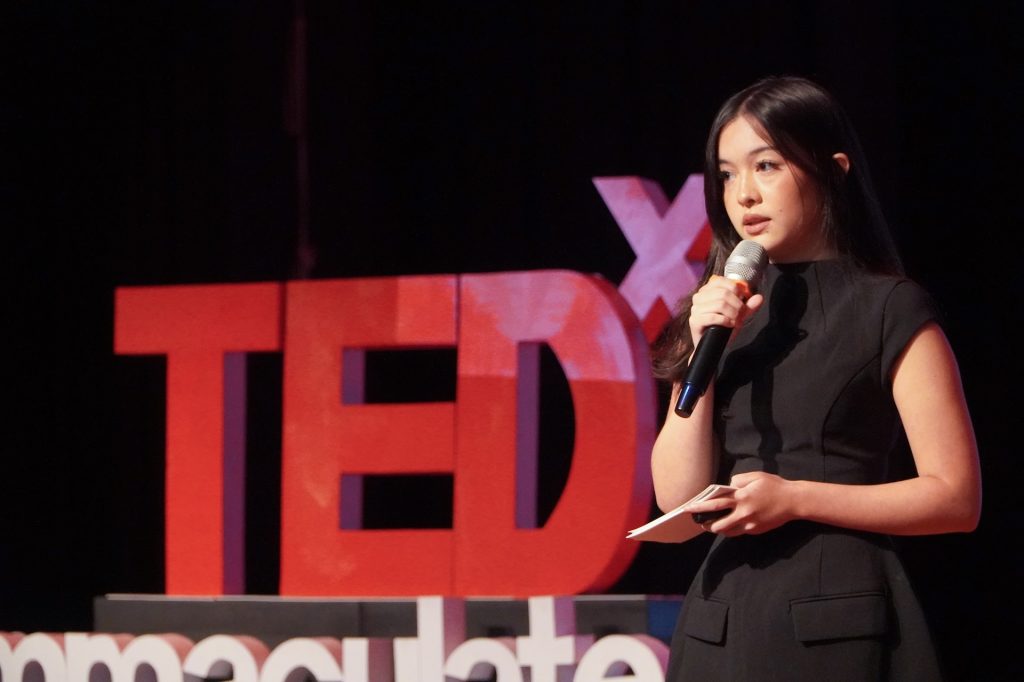
When Bella TED-Talked
January 21, 2026
Last week, I went to San Juan to listen to my youngest daughter, Bella, give a TED Talk.
TED Talks are apparently a big thing in her generation. When before the topics would be confined to technology, entertainment and design (thus the TED), the topics now extend to anything under the sun, as long as it’s engaging, informative and insightful.
I watched Bella practice for a whole month to give the 12-minute talk to an audience made up of mostly young people like her. Needless to say, we were all very proud of her.
She was invited to speak about The Bazaar, a business she started with her friend Johan a few years ago. Bella always had an entrepreneurial streak, likely because she grew up surrounded by people who are in business. There’s her dear old Dad, her grandfather, her great-grandfather, her uncles and her cousins. When she was younger, she sold lemonade to neighbors and charged a toll for entry to the house. Of course, she’s come a long way since then. Like many in her age group, she’s mastered the digital world, sold merchandise on Shopee and built her own following on TikTok by creating Get Ready With Me (putting on makeup, putting outfits together, sharing her daily routine, etc.) videos. She’s earned her own money through brand collaborations and affiliate marketing. She joined her cousins in their Bon Voyage perfume business and today, she has transitioned from the online space to the world of brick-and-mortar pop-up bazaars.
To see Bella talk about her entrepreneurial journey, she would strike you as confident, decisive and self-assured. But she revealed something which I think every young person out there (especially this generation, I am told) is feeling: that of being unqualified and inadequate. But as she put it so well during her TED Talk, the feeling of being unqualified isn’t a weakness but a starting point for real growth.
What surprised me from her sharing is how easy it is for young people now to just go for it. She said she found her “baby” – The Bazaar – because someone she’s never met before DM’ed her (ie, someone messaged her on the phone). She only knew of him by his work on Bon Voyage, but somehow, her instinct said they were on to something.
They envisioned The Bazaar as a nationwide pop-up market featuring unique local products and small businesses. What can I say? My endless prattle on MSMEs all day and all night must have done something to influence her.
But this wasn’t to be a talk that would be a retelling of her success story. To Bella’s credit, she was not ashamed of sharing how miserably she and her partner failed at their first attempt at organizing The Bazaar.
Their first Bazaar event was total chaos. “Crazy” is the word she used. They had overpromised to vendors and went short on planning. She found herself dealing with confusion and anger, issuing refunds and endlessly apologizing to the vendors who trusted them and signed up for their event.
She persisted, though, and held two more The Bazaar’s, which she thought did relatively better than the first one. But that wasn’t to be a fairy tale ending, either. After they wrapped up the third event, she received complaints, some of which she described as “harsh.” She said it felt like receiving a failing grade, a hate chain and not at all like the constructive feedback she was hoping for. She took it personally.
“I wanted to quit. I thought it was a dead end,” she said. “Then I remembered why I started this in the first place,” she said. The Bazaar was envisioned to be a place where small businesses can grow and connect. It was founded to give small entrepreneurs a collaborative space where they can learn and create and create a lasting impact.
She said The Bazaar’s mission and vision served as her anchor in those difficult times. If your “vision” tells you where you’re going, then your “mission” tells you why you’re going there in the first place.
She learned to take the criticism and sort which ones are useful. She even created an “Areas to Improve” presentation and pinpointed problem areas like poor booth layout, unfair vendor relations, inadequate promotions… I am sure the list is long and difficult, but she did something about it. She turned her biggest fear into a gameplan for growth.
She hired more people, even found ways to do so on limited capital. She tried different marketing strategies, asked for advice on matters like logistics and decided to take time off to close the business while she and her partner rebuilt The Bazaar.
It paid off. From chasing merchants, they now receive an average of a hundred inquiries daily. From 450 people visiting their bazaar, they now have over 2,000 in foot traffic.
So what lessons did she share with the other young people in the audience that day?
While she reminds people that she’s still in high school and hasn’t figured out everything yet, she did learn a few things.
That young people are taught that being ready is a prerequisite to starting a business, but when is anyone ever ready?
Young leaders, she said, are often judged by their age, their experience or the titles that follow or precede their name. Today’s entrepreneurs must challenge these stereotypes. She learned that starting early means you get to make mistakes early, you learn how to fall and have the time to get back up and keep going. You get more chances to adapt and to improve yourself and to not be afraid of failing or being judged. Not on your first try, anyway.
Starting young lets you build that courage to endure the discomfort of growing.
Then she ended with a challenge to her young audience: who will I become if I had the courage to start now? I, too, am excited to see who Bella will become, knowing she’s found her courage to begin.
Originally Published in Philippine Star


2/F RFM Corporate Center, Pioneer cor. Sheridan Sts. Mandaluyong City, Metro Manila, Philippines